

09 Feb 2026
The evolution of gambling A deep dive into its historical roots and cultural impact
The practice of gambling traces back thousands of years to ancient civilizations. Archaeological evidence suggests that the earliest forms of gambling appeared in China around 2300 BC, where rudimentary games of chance were played. These games often involved betting on the outcomes of events, signaling an early understanding of risk and reward. Similarly, dice made from animal bones have been found in Mesopotamia, indicating that the allure of chance has been a part of human culture for millennia. Today, you can experience this excitement by trying out Squid$$$Game, an innovative online casino that blends traditional and modern gaming elements.

As societies evolved, so did their gambling practices. Ancient Rome and Greece embraced betting on various events, including gladiatorial contests and sporting games. These activities not only served as entertainment but also fostered community engagement. Thus, gambling became intertwined with social gatherings, establishing a foundational cultural impact that resonates to this day.
During the Middle Ages, gambling experienced both growth and suppression, depending on the prevailing cultural and religious attitudes. While some regions saw the flourishing of games like dice and card games, others faced stringent laws against such activities, often citing moral grounds. Nevertheless, clandestine gambling continued to thrive, leading to the emergence of early gambling houses.
This period also saw the advent of more structured games, with card decks introduced to Europe from Asia. The popularity of these games laid the groundwork for modern-day gambling establishments. While often frowned upon, gambling became an integral part of social life, with nobles and commoners alike engaging in various forms of betting.
The 17th century marked a significant turning point in the evolution of gambling with the establishment of the first official casinos. The Ridotto in Venice is often cited as the world’s first public gaming house, providing a regulated environment for gambling. This innovation allowed for standardized rules and a degree of legitimacy, transforming gambling from a clandestine activity into a recognized form of entertainment.
As gambling houses became more popular, different countries began to develop their own unique gambling cultures. France, for example, refined many games that are still popular today, such as roulette. These establishments not only provided a venue for gambling but also influenced fashion, art, and social norms of the time, marking a cultural shift that highlighted leisure and affluence.
The impact of gambling extends beyond mere entertainment; it has influenced literature, art, and societal norms. Classic works of literature often depict the highs and lows of gambling, reflecting society’s fascination with chance and fortune. Authors like Dostoevsky explored the psychological effects of gambling addiction, highlighting the darker aspects of this age-old activity.
Moreover, gambling has often been a reflection of societal values, such as risk-taking, competition, and even community bonding. Festivals and events centered around gaming can foster connections among people, illustrating how deeply ingrained gambling is in human culture. Its ability to unite or divide communities based on shared interests or differing beliefs is a testament to its profound impact.
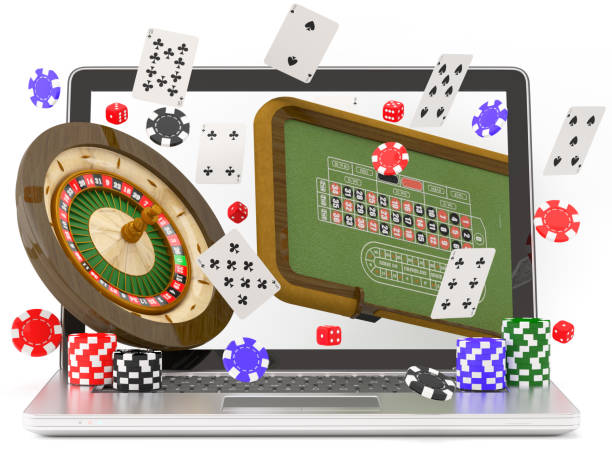
The evolution of gambling continues in the digital age, where online casinos and gaming platforms have transformed how people engage with games of chance. Innovations in technology have allowed for immersive experiences, where players can enjoy everything from classic card games to modern video slots from the comfort of their homes. The rise of online gambling has not only increased accessibility but also introduced new forms of entertainment, such as live dealer games.
As online platforms continue to evolve, they offer unique features and promotions that enhance the gaming experience. Players can enjoy attractive bonuses, ensuring a thrilling adventure every time they join. This modern gambling landscape reflects a dynamic fusion of technology and tradition, making it an exciting time for enthusiasts worldwide.

Leave Your Comment Here